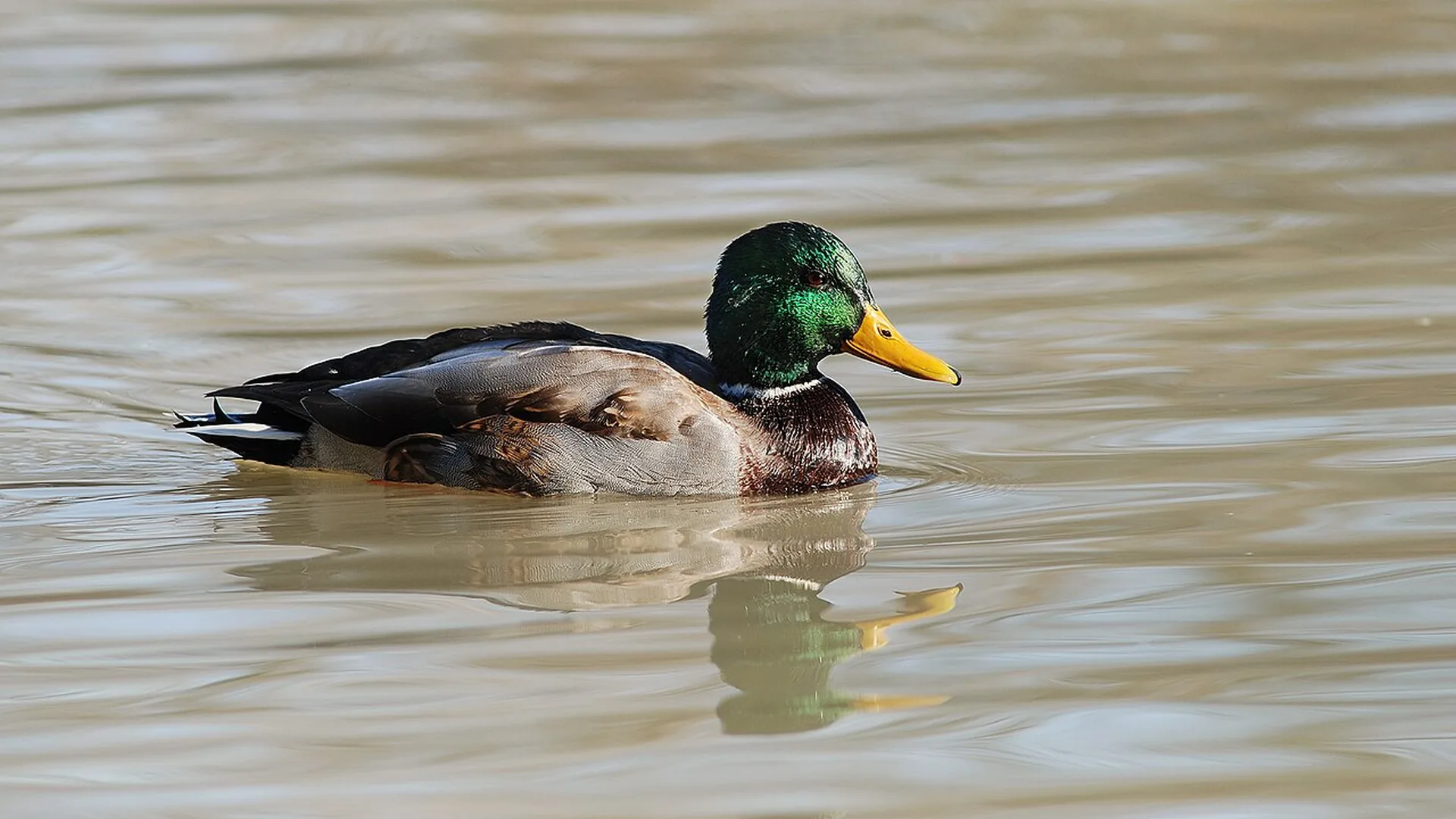
Researchers at the University of Arkansas at Monticello are studying a steep drop in Arkansas’ wintering mallard numbers and the flooded timber those ducks use in the Delta, Deltaplex News reported Monday.
Work at UAM’s Snowden Waterfowl Center of Excellence and Osborne Lab focuses on waterfowl movements, population trends and habitat across the Lower Mississippi Alluvial Valley, including much of eastern and southeastern Arkansas.
What the research found
- Population estimate: More than a 50% decline in Arkansas’ wintering mallards between 2016 and 2022, according to the Osborne Lab’s annual waterfowl research report cited by Deltaplex News. The figure covers that historical window and does not prove the same rate continues today.
- Banding study: Researchers reviewed 55,567 mallards banded from 1960 to 2023. Adult males had higher direct harvest rates than other groups, while harvest rates generally fell over the period.
- GPS tracking: From 2019 to 2024, researchers fitted 247 mallards with GPS transmitters to study use of flooded bottomland hardwoods, including the Bayou Meto and White River basins.
Why it matters in Southeast Arkansas
Flooded timber, wetlands and farm fields around Monticello and the wider Arkansas Delta feed migrating and wintering ducks. Dry conditions have raised questions about water in those wetlands this season. UAM’s findings do not say how current dryness will change duck numbers or hunting this fall, Deltaplex News reported.
The Snowden Waterfowl Center was created to expand research, teaching and conservation partnerships at UAM. Source: Deltaplex News, reporting on UAM’s waterfowl research.